What I'm Watching: BBC Three's "Fleabag"
I honestly believe there are two types of people: those who love Fleabag and those who haven't seen it yet. Phoebe Waller-Bridge is a sensation, a brave new voice we desperately need right now.

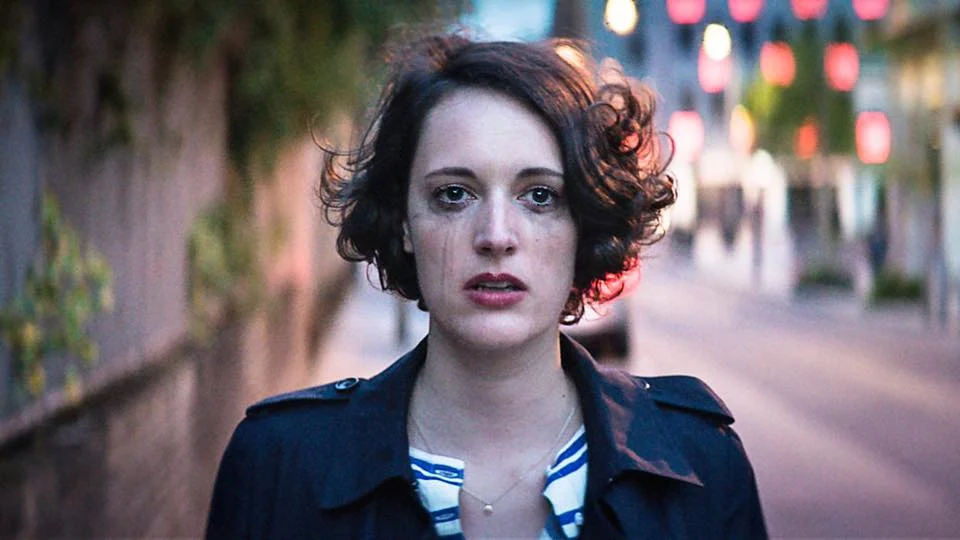
I honestly believe there are two types of people: those who love Fleabag and those who haven't seen it yet. Phoebe Waller-Bridge is a sensation, a brave new voice we desperately need right now.
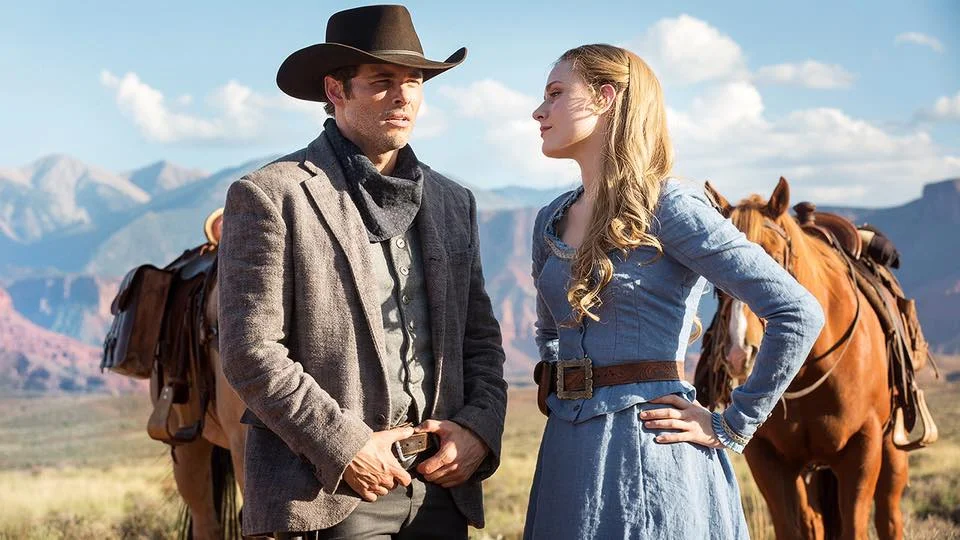
I am loving Westworld: it's dark, slick, and cold in the best possible sense, set in a fantastical amusement park where dreams slip into nightmare and enjoyment and pleasure comes at the cost of abusing mechanical "hosts" — who teeter on the verge of self-awareness — and who exist only to gratify the wealthy guests. The cast is extraordinary, particularly when imbuing androids with more emotional depth and complexity than one finds in human characters. (And, yes, that's Borgen's Sidse Babett Knudsen.) It's Battlestar Galactica meets Dollhouse meets... Kierkegaard? It's full of philosophical riddles and ruminations on memory, identity, free will, which unfurl like ribbons twisting through a shadowy maze. I cannot wait for more.
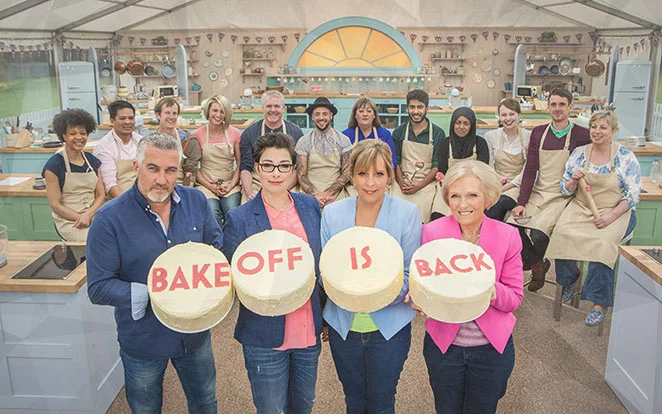
It's a real shame that The Great British Bake-Off will now be commercialized. I only hope Love Productions locks down Sue, Mel, Mary, and Paul as soon as possible in order to make the transition to C4 as painless as possible. The Great British Bake-Off has proven to be magical, both in its innate appeal and its ratings, and I know that fans will ultimately follow it to whatever channel broadcasts it. But the insertion of ad breaks concerns me, as part of the charm is that it's a single, uncut hour of baking and personalities and life in the Bake-Off tent. It's just unfortunate that a BBC was unable to make a deal that placed an appropriate financial value on GBBO, because Auntie makes the most sense for this remarkable program. However, I look forward to more GBBO in the future.
This mash-up of the themes from Stranger Things and Twin Peaks is everything I never knew I needed:
Laura Palmer's Theme from Twin Peaks in the style of the Stranger Things theme song. EDIT: To download this song, go to our Bandcamp: https://promqueenband.bandcamp.com

I was back in the booth at the recording studio today to do tracking for the podcast, including the first of many new Poldark episodes, and I feel so lucky to work with two of the most incredible collaborators: my amazing producer Rachel Aronoff and outstanding editor Kathy Tu. The two of them inspire me each and every day (and manage to always keep things entertaining).
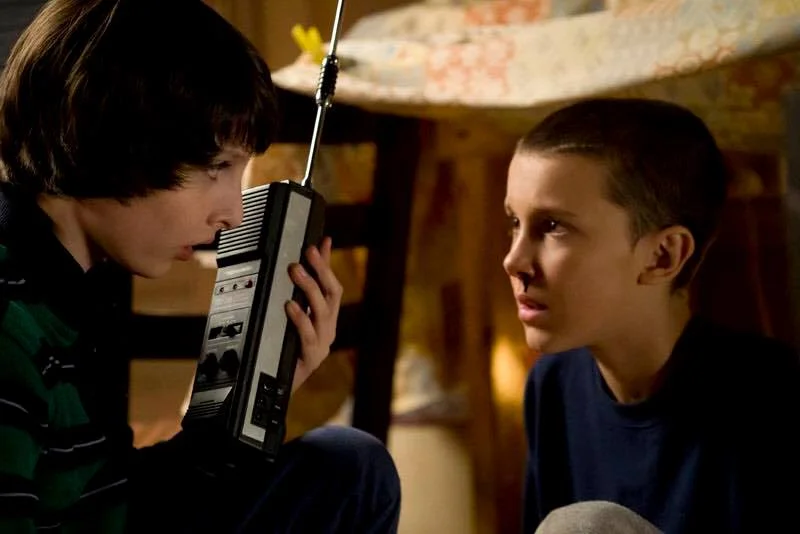
Stranger Things: A monster's hunger. A child's innocence. A parent's love. The strangest things of all.
In other words: Loved it.
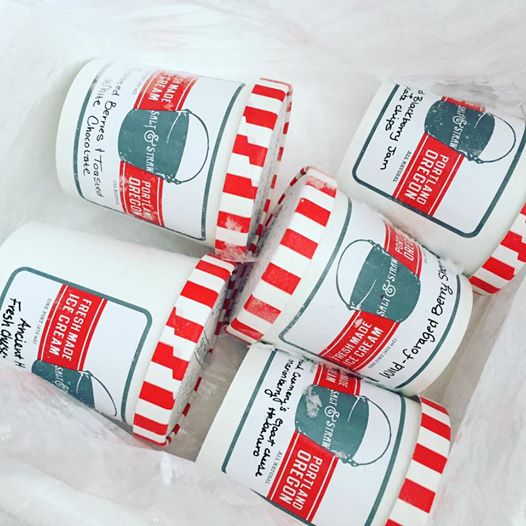
There are no words to describe the feeling of elation and excitement when you come home to discover a care package from Salt & Straw Ice Cream — yes, from the company itself (or rather co-founder Kim) — containing all of the Portland seasonal flavors from this month. 🤗
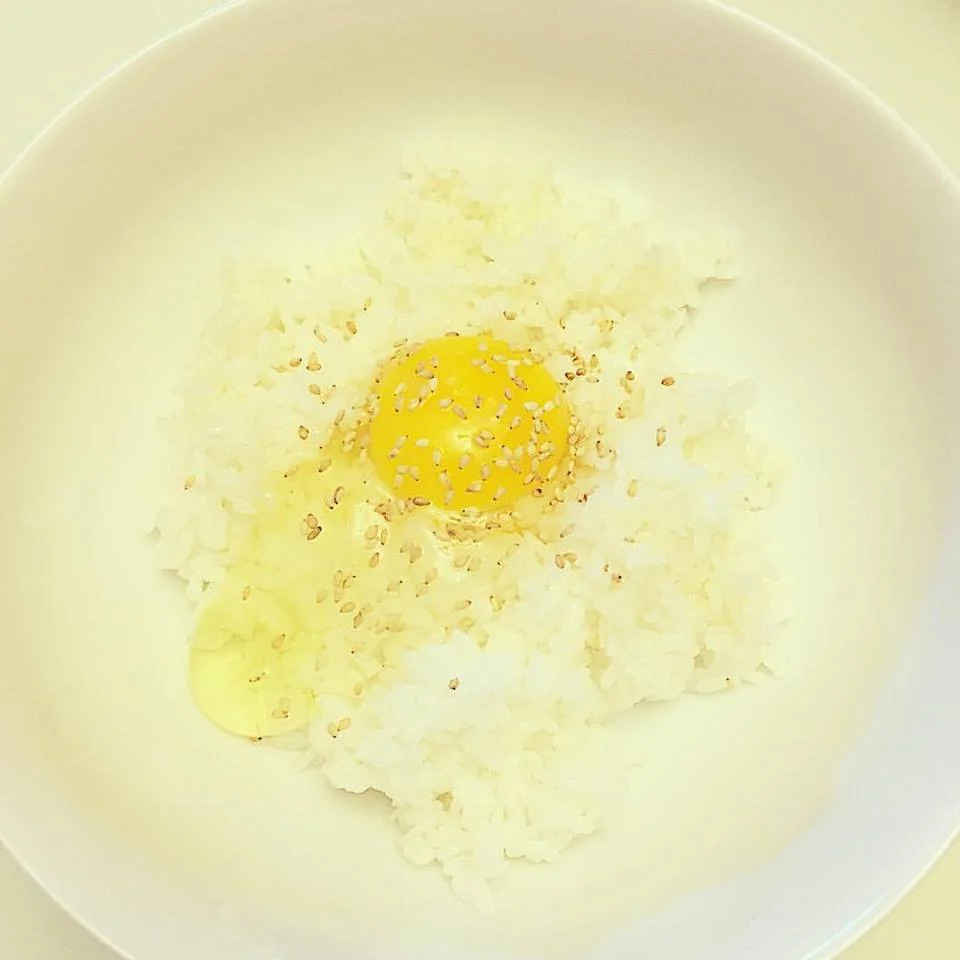
Breakfast of champions: the simple beauty of tamago gohan.
For those unfamiliar: it's warm sushi rice with a raw egg, toasted sesame seeds, and a few dashes of soy sauce. Accompanied with some green tea and miso soup. I made it at home this morning.
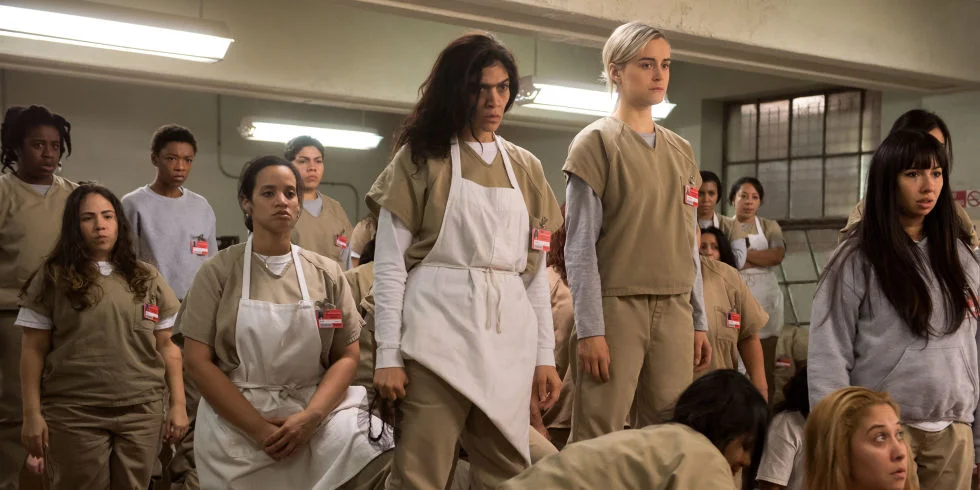
I finished Season 4 of Orange Is the New Black last night and, perhaps not surprisingly, I couldn't sleep, as I was overcome with a real sense of loss and anguish over this incredible season and its horrific climax.
This fourth season of Orange might be the best season so far, full of staggering heartbreak and portrayals of truly revolting inhumanity as these women struggle to find a place in a for-profit prison system that does not view them as people but products and in the care of sadistic guards who see them as either their playthings or as detritus under their heels.
The final two episodes of the season (the penultimate of which was directed by Mad Men creator Matthew Weiner) left me breathless, as Poussey Washington (Wiley) embarked on a magical trip through a nighttime Manhattan, a symbolic recreation of The Wiz (complete with Whitney and a yellow brick road), a payoff a full season in the making. The pull between the means of peaceful demonstration and violence made for an anxious race to the finish line as tensions escalated at Litchfield to the past the point of no return. In a season that examined mental illness, sacrifice, and corruption, the final scene ramped up to a fever pitch that had me shaking all night.
The storytelling this season was tremendously well-crafted: subtle and poignant and perhaps most importantly extremely timely. And while the acting throughout the series has been top-notch to date, Danielle Brooks and Samira Wiley, in particular in Season 4: I’m in awe of your talents.
There's so much that I want to say about this season but I need time to process my feelings. While I’ve always loved Orange Is the New Black, this season just hurt my heart in the best possible way.
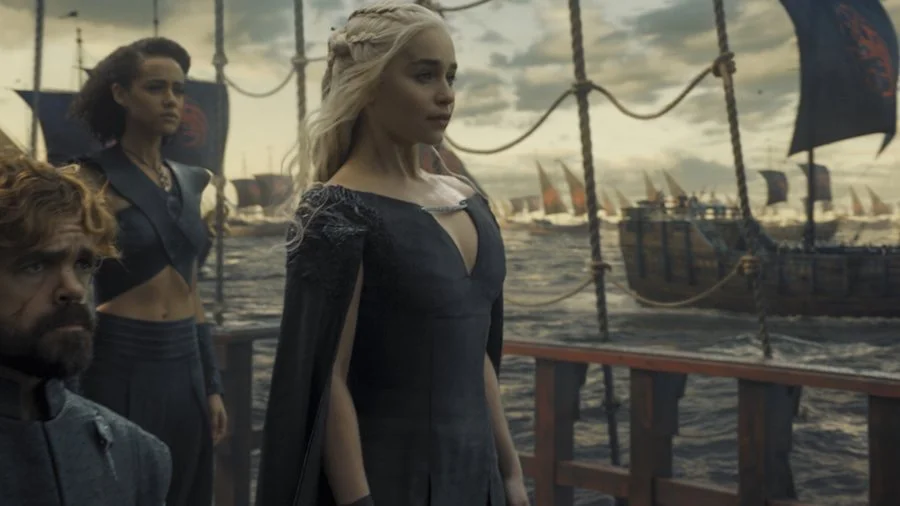
Fire and blood, vengeance and tears, pins and pies, kings and queens, heart trees and heart-to-hearts, solemn pledges of fealty and dark secrets, and death and dragons. By the old gods and the new, what a finale that was.
There were some sensational moments throughout this week’s episode of Game of Thrones (“The Winds of Winter”) that made me feel that we are now moving into the final act of this narrative. Winter has most definitely come.
I loved the scene between Daenerys (Emilia Clarke) and Tyrion (Peter Dinklage) in Meereen as she bade farewell to her lover Daario (Michiel Huisman) and then offered Tyrion the role of Hand to the Queen, literally pinning his future on his chest. There was a tremendous sense of having come full-circle here as Tyrion stepped back into the role of the Hand, a position that makes the most sense for the cunning and keen Lannister. While he’s been a murder suspect, a fugitive, a reluctant gladiator, a negotiator (and much more) during the last six seasons, this is the role that allows Tyrion to be his very best and it harkens back to Season 2 of Game of Thrones, when he saved King’s Landing during the Battle of the Blackwater.
With Tyrion by her side, I don’t see how Daenerys can’t win the coming war… though of course there is the bigger war between the forces of good and evil on the horizon, as we move into the final two seasons of the series. I loved the new alliances that sprung up in the wake of the chaos of the last few episodes, as Lady Olenna (Diana Rigg), the last remnant of House Tyrell — decimated by Cersei (Lena Headey) — forged an alliance with Dorne, the Greyjoys, and Daenerys, one brokered by Varys. Fire and blood, indeed. The sight of their amassed fleet — accompanied by dragons Drogon, Rhaegal, and Viserion — ended the season on a note of both triumph and dread as Daenerys fulfilled her quest for the past six seasons and made her way to invade the Seven Kingdoms.
After so many false starts and setbacks, this was a huge accomplishment, both for Clarke’s character and for Game of Thrones itself, positioning the players in a new configuration on the board. That the war of man would seem to be that between two women, in Dany and Cersei, is a fantastic surprise for a show that has perhaps not treated its female characters that well over the years. Was this always meant to be a stealth feminist show in the making? Hmm.
Let’s hope now that newly crowned King-in-the-North Jon Snow will also join forces with Daenerys’ coalition of the willing and rout the Lannisters out of King’s Landing for good: that showdown seems to be coming sooner rather than later, though I am not entirely sure how the narrative will twist and bend to allow either Jon to get far enough south or Dany far enough north for the two of them to finally meet… and likely fall in love, finally joining the great houses of Stark and Targaryen, ice and fire, in a single union. (The dragons and the men would likely come in very handily against the Night King, after all.)
Meanwhile, I couldn’t help but be haunted by that look that passed over the face of Sansa (Sophie Turner, so fantastic this season) when she noticed that Lord Petyr Baelish (Aidan Gillen) was glaring at her brother. Littlefinger wants the Iron Throne for himself (his “pretty picture” of sitting upon the razor-like seat of power with Sansa by his side was creepily pathetic) and I fear that Jon will be the next victim of Littlefinger’s plotting. Come on, Sansa: take this guy out next. (We also learned that Sansa *did* know that Littlefinger and the Knights of the Vale were coming to lend their forces against House Bolton, so now I’m even more confused why she didn’t at least tell Jon that they had allies coming. Odd.)
Cerise proved to be just as cunning and dangerous as ever this week, unleashing the vast caches of wildfire underneath King’s Landing to destroy the Sept of Baelor and immolate her enemies… before turning her thirst for vengeance upon Septa Unella (Hannah Waddingham) and delivering her to the Mountain for his pleasure. (Shudder.) It’s Cersei who crowns herself Queen of the Seven Kingdoms, mounting the Iron Throne just in time for Daenerys’ invasion… and for Jaime for return to King’s Landing and see what his sister has done.
(Poor Tommen, meanwhile, who opts to plunge to his death after seeing the explosion at Baelor's Sept. He really did love Margaery and his mother's act of vengeance is more than he can bare, knowing that she was behind the destruction of the sept. So the king, the first and last of his name, opts to take a very long walk off a very short windowsill.)
While taking out her numerous enemies and ascending to the Iron Throne, Cersei, aided by Qyburn (Anton Lesser), cleared the decks as it were, paving the way for the final act of the show by removing so many major players from the great game: Margaery Tyrell (Natalie Dormer), the High Sparrow (Jonathan Pryce), Lancel Lannister (Eugene Simon), Mace Tyrell (Roger Ashton-Griffiths), Loras Tyrell (Finn Jones, who looked so different in this episode that I swear it was a different actor), Kevan Lannister (Ian Gelder), poor aforementioned Tommen (Dean-Charles Chapman), and Grand Maester Pycelle (Julian Glover), felled by Qyburn’s little birds.
But those weren’t the only deaths, as Arya Stark (Maisie Williams) was able, at long last, to avenge the Red Wedding, slaying many of the Freys and baking them into a pie, which she served to Walder Frey (David Bradley) before removing her face — one of the very best moments in a season finale loaded with them — and slit his throat, ending the reign of the Freys and finally enacting the vengence she’s been craving since Season 1. Arya’s list is long, but she crossed off a few names this week, thanks to the help of the skills she learned while in the employ of the Jaqen H'ghar (Tom Wlaschiha) and the Faceless Men. (Was that part of Jaqen’s plan all along? Who can say?)
It was an extraordinary moment of reversal that was well plotted by David Benioff and Dan Weiss and beautifully directed once again by Miguel Sapochnik: that Arya, in the guise of a serving girl, emotionally tortures Walder Frey by slowly revealing the fate of his sons was an exquisite moment of revenge, a dish literally served cold by our Stark-turned-assassin. The way the scene ramped up from the silence in the hall to Walder peeling back the crust of the pie to the glee with which Arya sliced open his throat and watched triumphantly as he bled out was as precise as it was impassioned.
This was one of the most satisfying episodes of Game of Thrones ever. That it followed on the heels of last week’s incredible installment only made this giant-sized finale all the more rich and textured. That we returned to the Tower of Joy, courtesy of Bran’s greensight, and finally — FINALLY! — got proof of R+L=J was really just the icing on a perfect lemon cake.
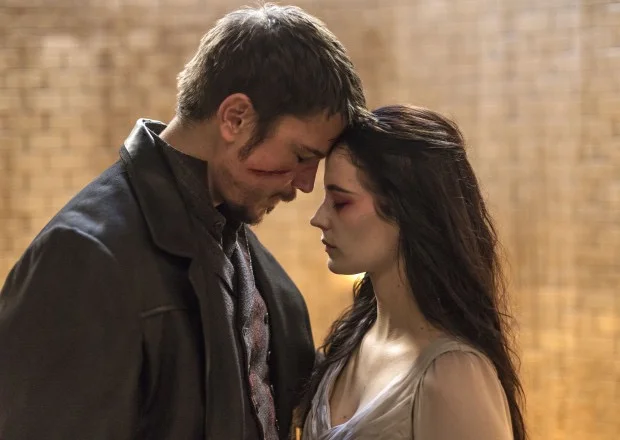
Sorry, Penny Dreadful, but that was a simply dreadful finale.
Sunday's installments of the Showtime drama — which ended up being a series finale for Penny Dreadful — were ultimately the two weakest episodes of the series' entire run, which would have been forgivable... until it surprised viewers by announcing that it had reached its conclusion with a chyron reading, "The End" before rolling credits. Wait, what?
Airing back-to-back, these two final episodes were at times simply painful to get through. The plodding penultimate episode offered up a seriously wonky timeline and some credulity-straining goings-on in London, during which supposedly thousands of people died in the plague fog while others — Patti LuPone's Dr. Seward for one — strolled through town as though nothing untoward was happening. (Even after the frogs came up through her pipes.)
Also worth noting: These episodes also barely featured Eva Green's Vanessa, who was in maybe two scenes in the finale ("The Blessed Dark") and none in the penultimate episode ("Perpetual Night"), which felt odd as it's her story arc that is building towards resolution here. The series set up a final battle between Ethan Chandler (Josh Hartnett), Lupus Dei ("the Wolf of God"), and Dracula (Christian Camarago) over the soul of Vanessa Ives — but ultimately Ethan kills Vanessa (a request that he denied her in Season 1 when she was possessed and viewers saw firsthand the consequences of her possession, unlike here) and Dracula just exits stage left with no explanation whatsoever. Where exactly was the change within Vanessa where she realized that she had erred giving herself to Dracula and bringing on the endless night? Where was any scene with Vanessa, really, other than a brief one of her "unhinged" with Dracula and one where a white-clad Vanessa meets her end in a room full of burning candles?
It felt incredibly anti-climactic and to have Ethan shooting Vanessa in her stomach after kissing her removed any real agency from Vanessa herself — perhaps creator John Logan didn't want Vanessa to kill herself (and make her ascension to Heaven more, well, complicated if you go in for that liturgy), but it felt like a sad end to a powerful character who had waged war against Satan himself for control of her immortal soul.
Not buying the spin that this was what Logan had planned from halfway through Season 2: the resolution here felt messy, rushed, and downright nonsensical at times, creating as many new dangling plot strands as it did tying up others. The fact that Season 3 wasted so much time mired in the Wild West (ugh) — with its main characters separate and isolated for nearly all of the season — AND it ended up being the final season feels especially unlikely.
While Perdita Weeks’ thanatologist Catriona Hartdegan made for an intriguing new character, she is ultimately left as a leather-clad cipher of sorts, an anachronism who contained so much story potential but whose inherent possibilities were simply jettisoned by the end. (The same holds true for Simon Russell Beale’s Ferdinand Lyle, who was ignominiously ejected from the series — a storyline that seemed to point towards the rise of an Egyptian mummy in the future — several episodes ago. Yes, the point was that Vanessa was isolated and lone, but that seemed to be more the work of coincidence than any effort from Alexander Sweet/Dracula.) What was the point of spending so much time with Dr. Jekyll (Shazad Latif), introduced this season, but never showing Mr. Hyde, who ,while teased, never actually manifested himself. (Other than a painfully obvious reveal that his inherited title is "Lord Hyde.")
Ultimately, Vanessa Ives reclaimed her faith and was welcomed to the Kingdom of Heaven, felled by her former lover's bullet, and the other (male) characters grieved her. Lily (Billie Piper), finally freed by Victor Frankenstein (Harry Treadway), leaves behind Dorian Grey (Reeve Carney), who fades into the background like one of the many portraits that line his grand hall. The Creature (Rory Kinnear) chose mortality rather than immortality for his poor dead son, and recited a final ode for dear Vanessa. Some beautiful images, yes, but these final scenes lacked the impact required by a series finale to stick its landing. Instead, it felt haphazard and forced, a poor end to a series that was brimming with passion and dark magic.
I loved Penny Dreadful so much, but these last two episodes soured me in such an unexpected and sad way. A shame, really.
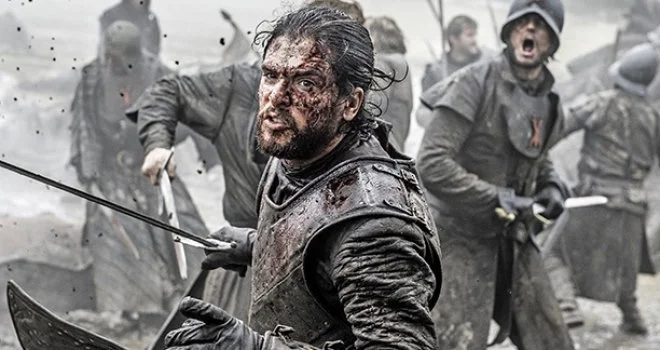
I'm still in shock about last night's episode of Game of Thrones. Not because any of the events that occurred in the riveting "Battle of the Bastards" — directed by Miguel Sapochnik — was particularly surprising (if anything, certain "surprises" came as a vast relief), but because it was so visceral and powerful to behold.
"Battle of the Bastards" was a brutal spectacle of blood, a dazzling orgy of horror and death, a masterpiece. By the old gods and the new, just wow: that episode was unlike anything ever to air on television. (The closest companion to it would be HBO's The Pacific, which also demonstrated the huge human cost of war.)
There were numerous shifts in the power structure of the show, as the Starks reclaimed Winterfell (but at such a high cost, including the inevitable death of one of their own) and ousted the Boltons; Sansa (Sophie Turner, so great here) got her revenge — horrifically rendered — on Ramsay (Iwan Rheon); Daenerys (Emilia Clarke) routed the Masters from Meereen; Ser Davos (Liam Cunningham) finally saw Melisandre (Carice van Houten) for what she truly is; and the Vale finally came through for the Starks (The North Remembers, after all) — or was this just a ploy to get at Sansa's hand in marriage and engineer a takeover of the North by Petyr Baelish (Aiden Gillen)? Hmmm.
"Battle of the Bastards" was, ultimately, staggering accomplishment of cinematography, preparation, execution, and brutality. I watched half of it through my fingers, screaming aloud. It's no surprise that Sapochnik started his career as a storyboard artist (on Trainspotting and other films) or that he directed last season's spectacle episode ("Hardhome"); in addition to the sweeping battle scenes and the gritty close-ups there were some gorgeous shots throughout the episode: Jon and Ramsay against the darkening sky, Ser Davos finding that whittled stag in the remains of a fire before he's silhouetted against the morning sky, etc. It was an episode of huge moments and tiny ones too.
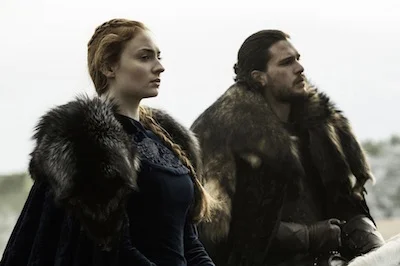
ALWAYS LISTEN TO SANSA. Jon Snow (Kit Harington) — who clearly still knows nothing — fails to heed his sister's advice and is provoked into charging into battle against the Boltons. In doing so, Jon falls right into Ramsay's trap, even after knowing that he would try to use a pincer attack on the Northern coalition forces. And Ramsay did just that, painfully and brutally, after killing poor Rickon (Art Parkinson, now six feet tall), just as Sansa also said he would. He makes traps, after all, and Jon and Co. predictably fell right into his.
Thankfully, the Knights of the Vale arrived at the eleventh hour and Jon was able to retake Winterfell (poor Wun Wun!), a storyline building for what seemed like the last four seasons of the series. There has been some debate about whether Sansa ought to have told Jon about the possibility that Littlefinger and the Knights of the Vale would come to their rescue, but I don't recall seeing Sansa getting a reply from the Vale, so I'm letting her off the hook for now.
I loved Daenerys' calm when dealing with the Masters and then mounting Drogon to destroy their entire fleet and reclaim Meereen, just as much as I loved the scene with Daenerys, Theon (Alfie Allen), Tyrion (Peter Dinklage), and Yara (Gemma Whelan), discussing their evil fathers and how their forebears left the world in a worse place off than when they found it. (Evil fathers seem to be an enormous underlying theme in the world of Game of Thrones, so it only makes sense that they'd all have this conversation on Father's Day, naturally.)
Seeing Daenerys and Yara clasp arms and pledge their loyalties — Yara promising to uphold Daenerys' claim to the Iron Throne and asking for the release of the Iron Islands from the Seven Kingdoms (hmmm) while pledging to end the Ironborns' "way of life" — was a fantastic moment of feminist strength, one that comes on the heels of last week's episode, wherein Arya (Maisie Williams) reclaimed her identity and killed the Waif, and in which Sansa, victim and object of lust and oppression, turned the tables on her former captor/husband and enacted her own brand of revenge.
Yes, between Sansa, Daenerys, and Yara Greyjoy, sisters are doing it for themselves.
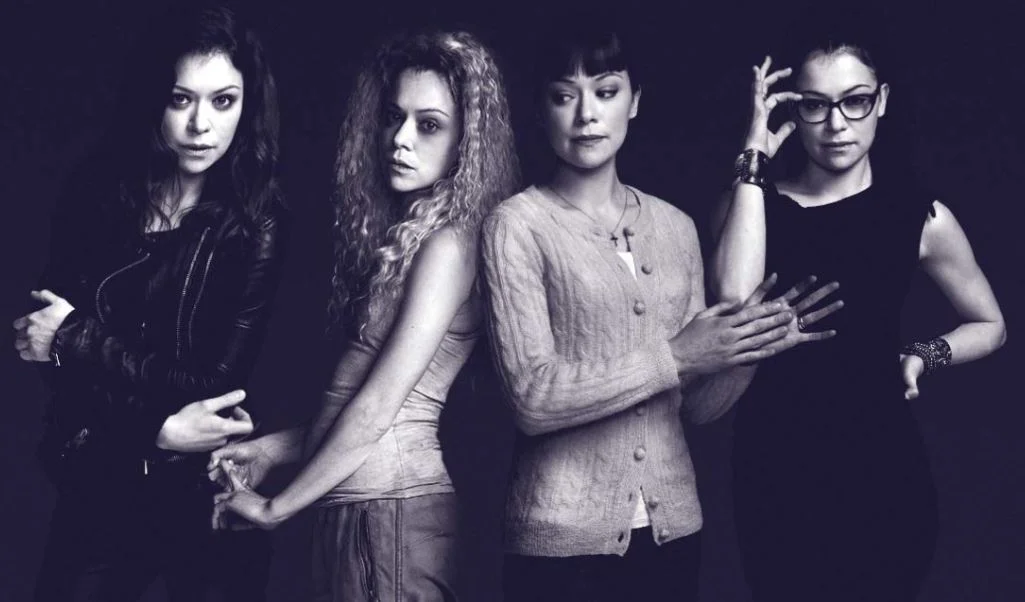
Despite being now four seasons into Orphan Black, I often still forget at times that Tatiana Maslany is playing all of the many sestras. It never fails to astonish, particularly this week when she played Sarah, Krystal, Rachel, Sarah as Krystal, Cosima, and Helena.
What's more amazing to me is that Maslany imbues each sestra with her own physicality and quirks. Watch Maslany's mouth when she's playing Krystal Goderitch (who I'm very glad has stuck around after her first and quite memorable appearance) to see what I mean: Maslany manages to scrunch up her mouth and move it in a way that none of the other clones do, while as steely Rachel, Maslany's neck alone manages emotes more than some actors. Her Alison is all jangled nerves and fluttering eyelids; her Helena is feral, wide-eyed and savage.
But as much as I love Orphan Black (especially this season, which has been stellar after last season's disappointing run), I’m glad that the show now has an end date and can plan accordingly for a fifth and final season to wrap up its ongoing story arcs… Returning to the past (and exploring Beth's backstory) has creatively revitalized Orphan Black, and I want it to go out strong with Season 5. All good things, as they say, must come to an end. Even the sestras.
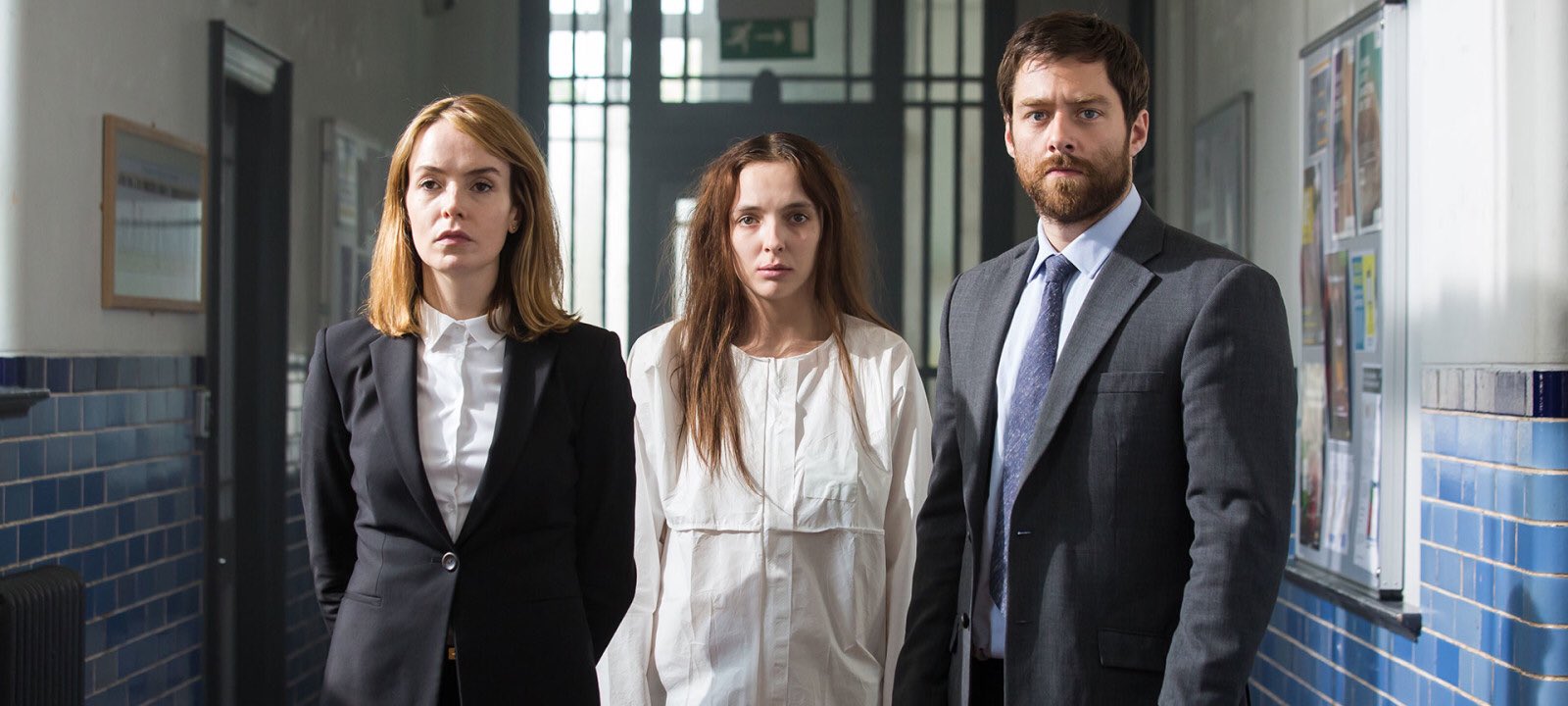
Meet my current television obsession: BBC Three's intoxicating thriller Thirteen (which will make its American debut on BBC America on June 23), about a woman (Jody Comer) who was kidnapped as a girl and who has spent 13 years as a prisoner before escaping and being reunited with her family. It's sort of Room crossed with Stockholm, Pennsylvania, but it's different than both of those similarly themed films. Over five episodes, Ivy Moxam must re-acclimate to life on the outside while getting to know the family that she lost 13 years ago, all of whom have been irrevocably changed as a result of her disappearance. But there's also a ticking clock element to this story as Ivy's kidnapper has taken another girl...
The result is a show so tense that I'm on tenterhooks easily four times a minute and the final episode is a breathless, taut race to the finish. Comer (so completely different here to her performance as Chloe on My Mad Fat Diary) is outstanding as Ivy. Extraordinary.
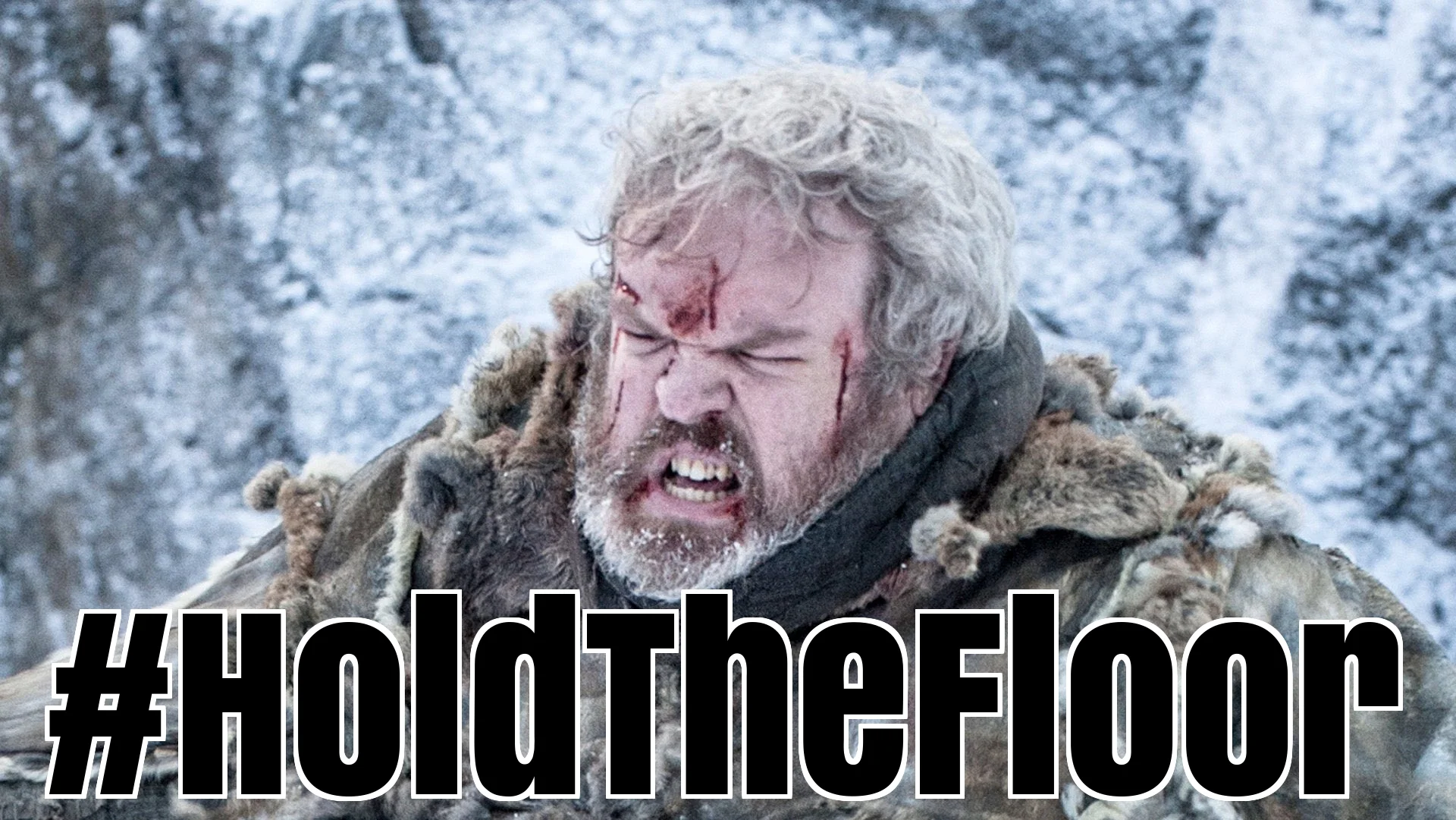
I couldn't help myself, really. The idea of Hodor holding that door — and the filibuster happening on the floor of the U.S. Senate — just seemed the perfect accompaniment to the hashtag trending on Twitter. When in doubt, a Game of Thrones reference will suffice.
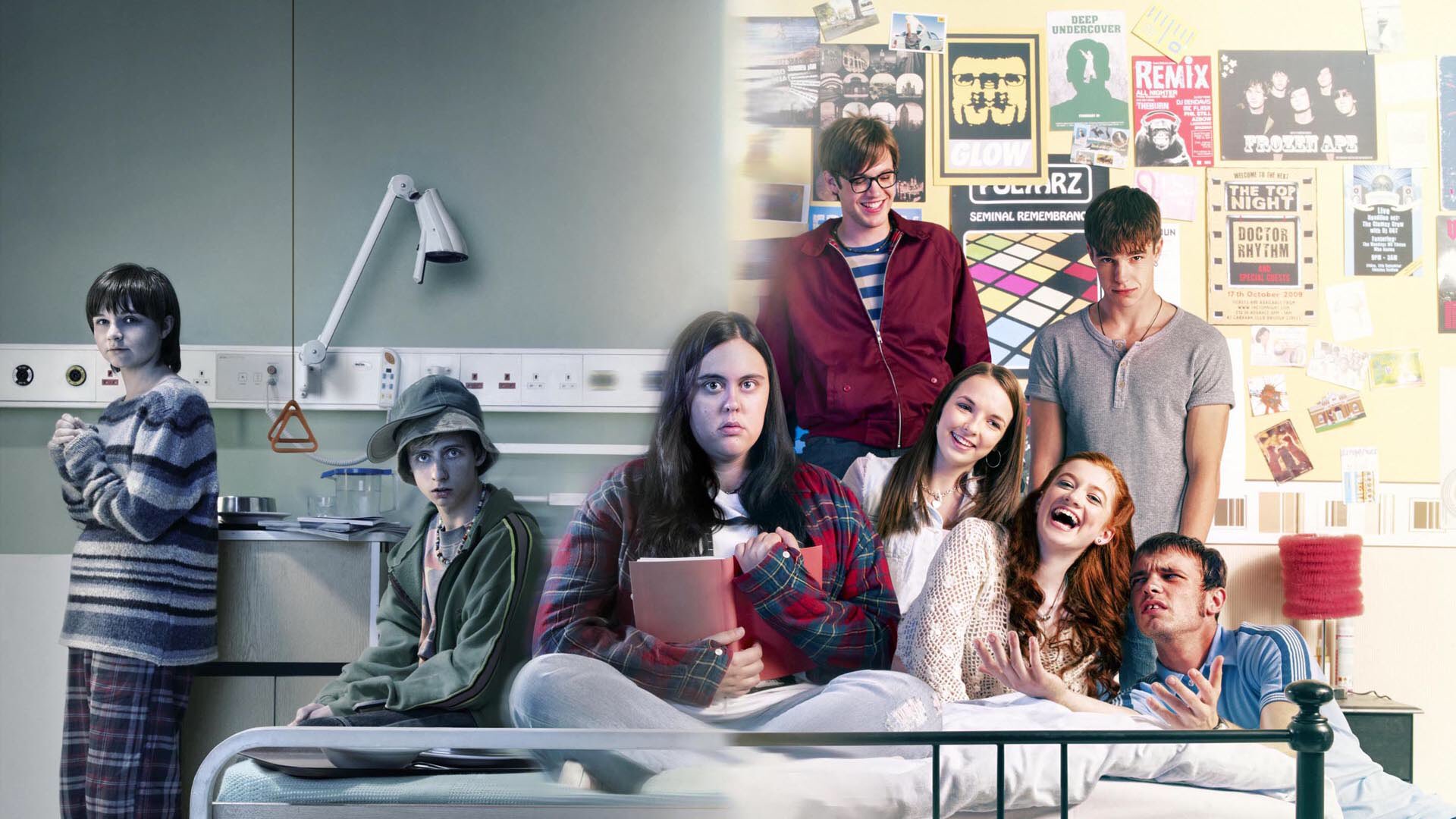
Oh, My Mad Fat Diary, I love you so much. If you haven't seen it yet, correct this egregious oversight immediately — all three seasons of this incredible British teen drama (based on the book by Rae Earl) are available on Hulu.
The cast — led by the fantastic Sharon Rooney — is divine and if you were a teenager in 1996 (which I was in 1996, though I was already away at university at this point), this show is like nostalgia catnip, with its soundtrack of Oasis and Fatboy Slim. (The fact that no one has mobile phones must seem so alien and bizarre to today's teens but I love seeing Rooney's Rae and Jody Comer's Chloe chatting on landline phones at their homes.) As Rae leaves the hospital and tries to put her incident behind her, she falls in with former "bessie" Chloe and Chloe's new gang of friends — including geek god Archie (Dan Cohen), quiet but strong Finn (Nico Mirallegro), goofy Chop (Jordan Murphy), and flighty Izzy (Ciara Baxendale) — and must decide whether to come clean or keep her issues a secret. But as she adjusts to life at home with her overbearing mum (Claire Rushbrook), Rae continues her therapy sessions with Kester (a fantastic Ian Hart) and maintains her relationships with her fellow patients at the hospital. Torn between both worlds, Rae seeks solace in her diary and brilliantly filmed imaginary sequences function as an ideal narrative/stylistic device to allow viewers inside Rae's mind.
My Mad Fat Diary is ultimately an insightful exploration of identity, body and food issues, mental health, peer pressure, teenage romance, and just a profound coming of age story from the perspective of a plus-size young woman in Lincolnshire. It makes for addictive and nostalgic viewing.
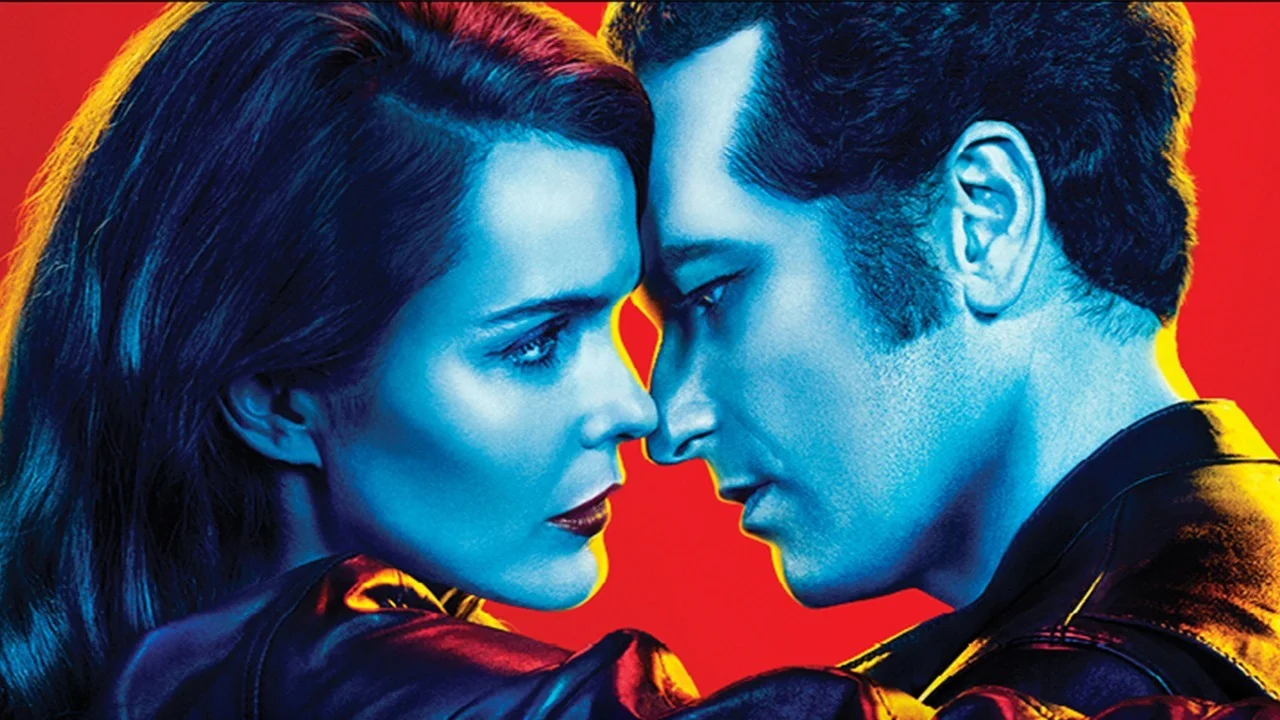
I'm thrilled there will be two more seasons of The Americans. Wait, now I'm depressed there are *only* two more seasons of The Americans. Sigh.
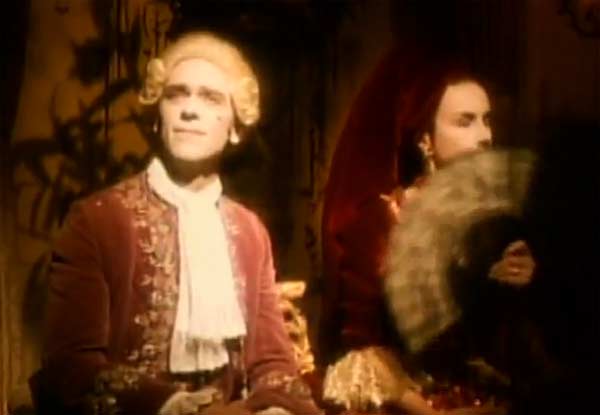
Apropos of nothing (other than rediscovering a slew of old Annie Lennox CDs in my collection and playing them for my music-obsessed two-year-old son and watching The Night Manager), here are my all-time favorite Hugh Laurie roles:
(6) The Prince Regent in Blackadder
(5) Gregory House in House
(4) Richard Onslow Roper in The Night Manager
(3) Tom James in VEEP
(2) Bertie Wooster in Jeeves and Wooster
(1) Foppish aristocrat (quite possibly Prince George again) in Annie Lennox's "Walking on Broken Glass" video:
And, yes, that's John Malkovich as well.
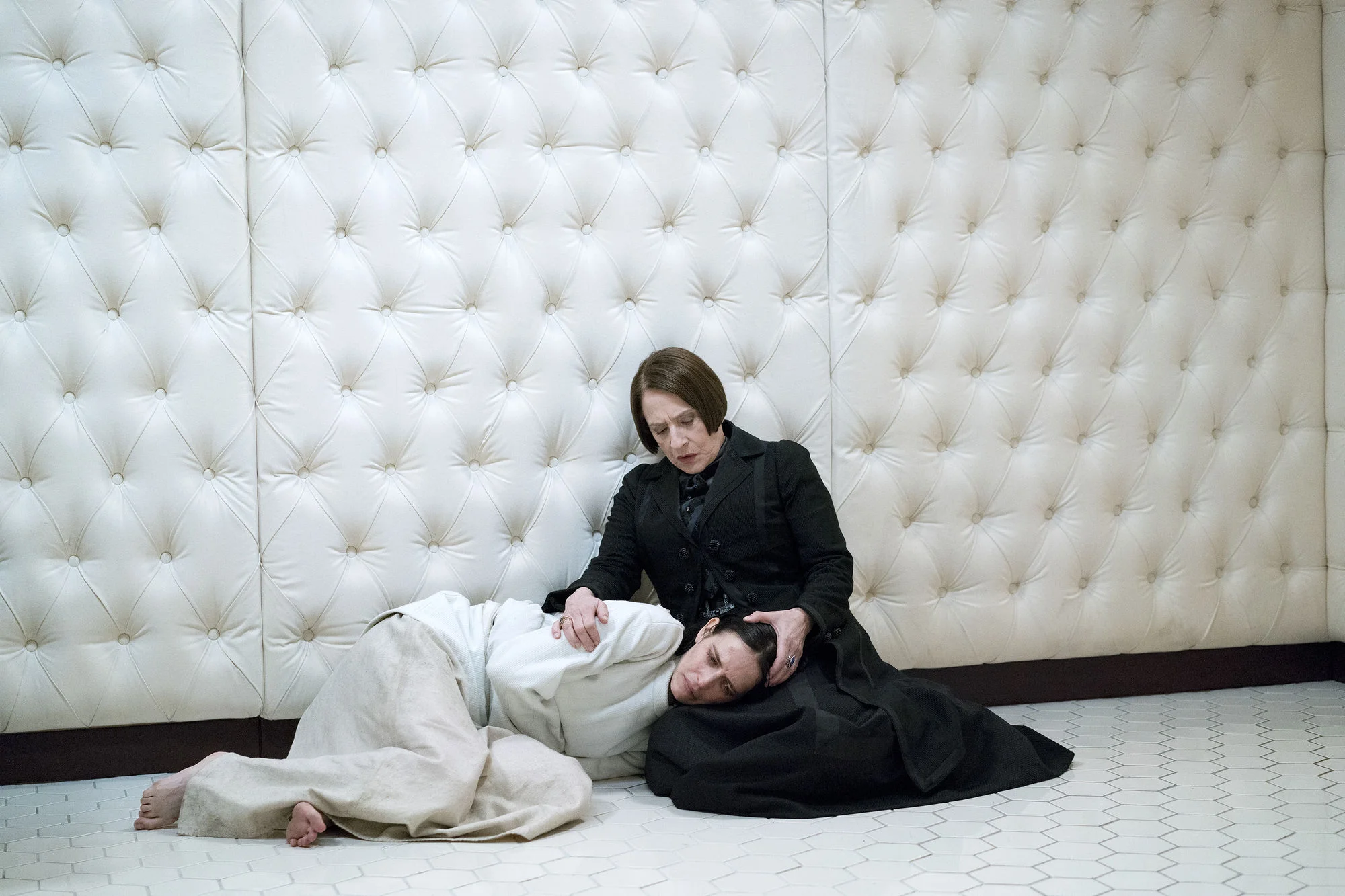
Eva Green is again at the top of her game in an episode of Penny Dreadful that showcases fine deftness of her acting and its staggering depth, as we get another piece of Vanessa's tortured past — this time her incarceration in the mental hospital. A bottle episode that feels not only claustrophobic in the best possible sense but also forward-moving, even as it looks backward. Green manages to be catatonic, savage, guileless, beatific, and predator and prey in all the same scene. It's a performance of extremes and Green exerts a magnetic pull on the viewer in every second of the episode.
Remind me again why she's not won any awards for her incredible turn as Vanessa Ives?

ITV's Marcella — which arrives Stateside July 1 on Netflix — is ludicrous, over the top, ridiculous fun. Anna Friel + Laura Carmichael + Jamie Bamber + a ruthless serial killer whose MO is suffocating people with plastic bags over their heads + a compromised detective with rage blackouts = perfect way to spend my Monday evenings during this eight-episode run.
Marcella is compulsive viewing, even as it veers into the ludicrous, but is ultimately saved by the presence of Friel, who deftly balances grim and loony modes. She's the anchor at the center of a production that would jettison off to the upper atmosphere if she weren't there to keep it grounded.
The mystery itself is totally nonsensical (so many red herrings! so many suspects with beards! so many convoluted sideplots!) but I could not stop watching, and I do hope Marcella returns for another season of madness and intrigue.